The Impact of Automation on Sheet Metal Processing in Modern Industry
The sheet metal processing sector has become one of the most rapidly transformed areas of manufacturing. Increasing competition, rising energy costs, and the demand for faster delivery are pushing manufacturers toward more efficient and reliable solutions. At the center of this transformation lies automation technologies. Today, automation not only increases machine speed but also turns entire production lines into smarter, safer, and more sustainable systems.
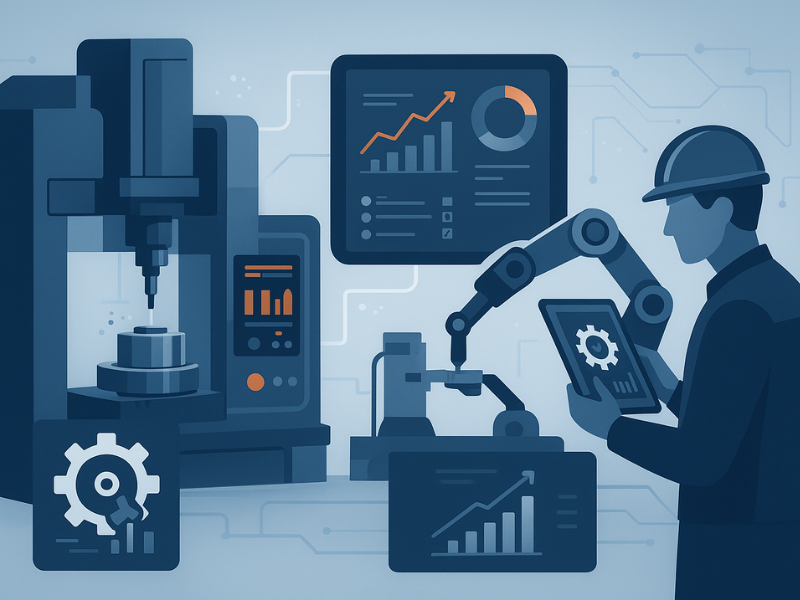
One of the most significant impacts of automation on sheet metal processing is the assurance of production continuity. CNC-controlled laser cutting, press brake bending, sawing, and pressing systems can now operate in full integration with robotic arms and automatic loading–unloading units. This integration ensures uninterrupted material flow, reduces operator intervention, and eliminates production slowdowns. Especially in high-volume serial manufacturing, this structure directly boosts overall capacity.
Another major advantage of automation in sheet metal processing is the reduction of error rates. Automatic focusing systems in laser cutting machines, angle measurement sensors in press brakes, and robotic positioning solutions minimize human-related dimensional errors. As a result, repeatability increases, scrap rates decrease, and material costs remain under control.
The impact of automation goes beyond production speed; it also plays a key role in energy management and sustainability. Modern sheet metal processing machines are equipped with software that automatically optimizes energy consumption based on workload. Power management in robotic systems has also been significantly improved. This not only reduces operating costs but also lowers the carbon footprint of production.
Additionally, IoT-based automation solutions provide full visibility across sheet metal processing lines. Machines generate real-time data, which production managers can monitor instantly. Cutting speeds, bending frequencies, downtime durations, cutting–bending synchronization, and capacity utilization can all be tracked via digital dashboards. This structure helps detect potential faults early, prevents unplanned stoppages, and reduces maintenance costs.
The integration of robotic systems into sheet metal operations brings major advantages in both workplace safety and process quality. Risky tasks—such as manually handling sharp-edged sheets or loading heavy plates—are now performed by robots. This reduces workplace accidents and enables operators to focus on more specialized tasks.
In conclusion, automation has become a holistic power in the sheet metal processing industry, offering not only speed but also quality, safety, sustainability, and cost efficiency. The integration of laser cutting, press brake bending, sawing, tube processing, and pressing machines with robotic and automation systems is shaping the production model of the future today. For manufacturers aiming to enhance efficiency and strengthen their competitive edge, this transformation is no longer optional—it's essential.